
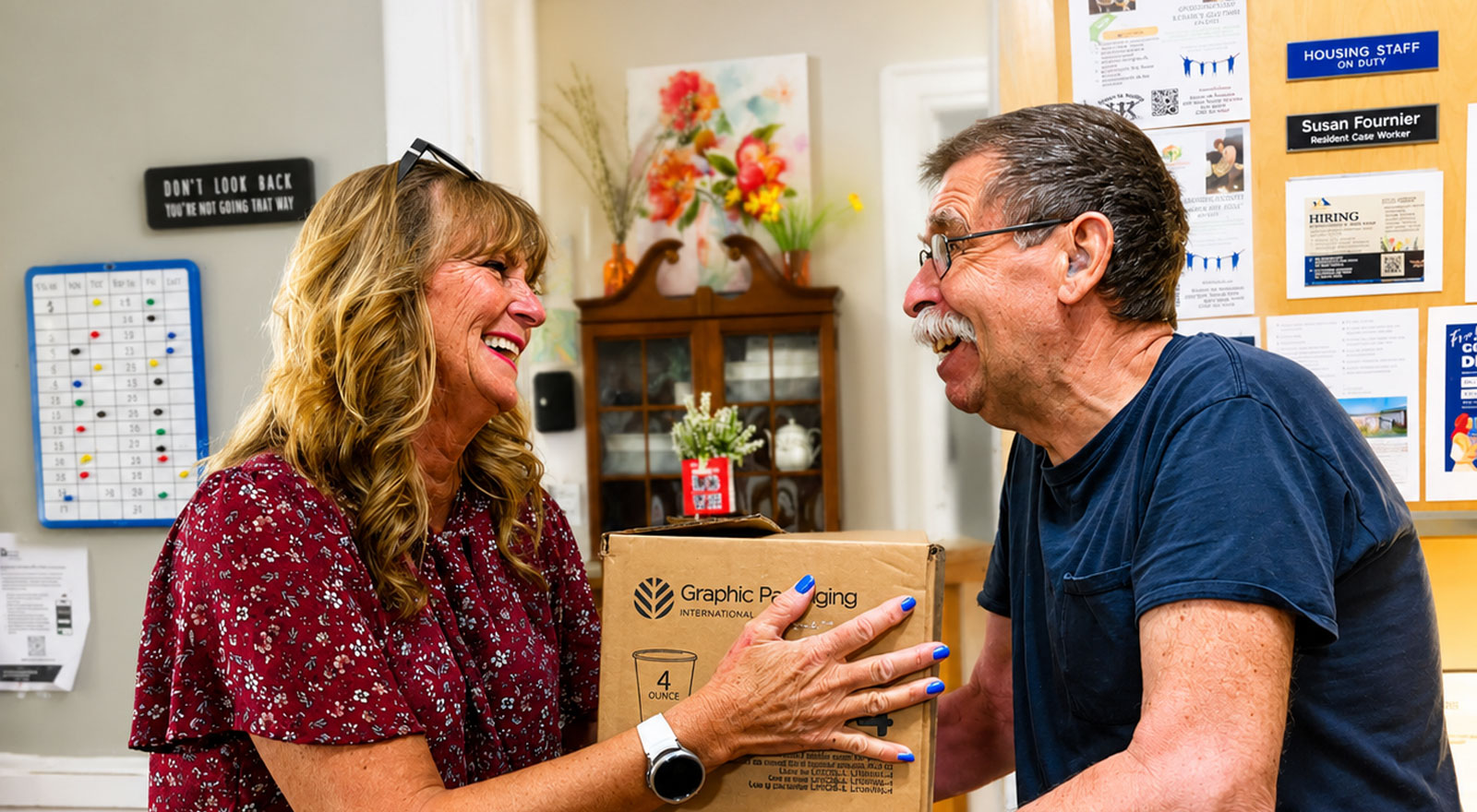
On May 13, 1996, George Barsalou made a decision that would change the course of his life forever. Thirty years later, he stands as a powerful example of resilience, faith, and transformation—proof that even the most difficult journeys can lead to hope and renewal.
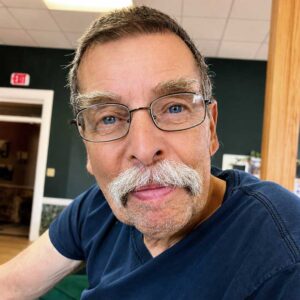 George was born on March 21, 1951, in Holyoke, Massachusetts, to Omer and Mary Ann Barsalou. Raised in a hardworking family—his mother employed by the Holyoke School Department and his father in a local paper factory—George grew up in a community shaped by industry and grit. As a young boy, he found joy in simple things: riding his bicycle, spending time with friends, and building a sense of independence early on.
That independence became evident through his paper route for the Holyoke Transcript-Telegram, where he delivered to 125 customers. He fondly recalls the challenge of carrying the especially heavy Thursday editions. By 1967, his determination paid off—he saved enough money to buy his first car, a Buick Special, purchased from his uncle.
George attended Holyoke Trade School (now William J. Dean Technical High School), where he studied sheet metal, a skill that would later support him throughout much of his working life. Over the years, he held a variety of jobs—from working in the kitchen at Providence Hospital to positions in manufacturing at Spalding in Chicopee, where he contributed to assembling sporting goods and operating machinery. Eventually, he would spend 17 years helping run a sheet metal company, demonstrating both skill and work ethic.
But behind the steady work and everyday life, George was fighting a battle that began far too early.
George began drinking at just eight years old. From that point on, he knew something was different. “I never drank in moderation,” he recalls. Alcohol quickly took hold, and despite maintaining employment, he struggled with addiction for nearly three decades. Over time, he lost what he had worked so hard to build.
He also witnessed the toll addiction took within his own family. His parents strongly opposed drinking, and his father encouraged him to seek help. His mother once told him, “I’m going to bury you, George,” after already losing other family members to alcoholism. Those words stayed with him.
In 1994, George entered rehab but relapsed shortly after. By 1996, while working for the Holyoke Department of Public Works and helping to raise two stepdaughters, his life continued to be shaped by addiction. Eventually, he lost his job.
That same year, everything changed.
While staying at the original Loreto House homeless shelter on Elm Street in Holyoke, George reached a breaking point. On May 13, 1996, he knelt in prayer and asked God to take away his obsession with alcohol. In that moment, he recalls hearing a simple but profound message: “Up or down.”
George chose up.
He credits that moment—and his faith in God—as the turning point in his life. “It is by the grace of God that I stopped drinking,” he says. For George, recovery became more than sobriety; it became a spiritual path rooted in faith, self-worth, and daily commitment. He believes that until a person learns to love themselves and build a relationship with God, overcoming addiction is nearly impossible.
From that day forward, George committed himself fully to recovery.
He attended Alcoholics Anonymous meetings for many years, leaned on supportive family members, and developed a routine of prayer and reflection. He often made weekly trips to Saint Ann’s Shrine to light candles and seek guidance. Through perseverance and faith, George not only remained sober—he continued to grow.
After four months at Loreto House, George moved into his first apartment as a sober man. He returned to steady work, spending 17 years at Gallavin Sheet Metal while also supporting operations at Curran Construction, assisting with banquet preparation. His work ethic remained strong, but this time it was grounded in stability and purpose.
His transformation extended beyond his career. George was able to care for his mother for nine years before her passing—an opportunity he deeply values and considers a blessing made possible by his sobriety.
In 2000, George achieved another milestone: he quit smoking after years of heavy use. Today, he has been smoke-free for over two decades, another testament to his discipline and determination.
In October 2021, George returned to Loreto House—this time not in crisis, but as a man in recovery, grounded in purpose and grateful for the life he has rebuilt.
When asked what Providence Ministries means to him, George’s answer is simple but powerful:
“It means everything.”
He finds fulfillment in helping others, especially those facing the same struggles he once endured. Whether lending a hand to staff or supporting fellow residents, George is known for his kindness, reliability, and uplifting presence.
Associate Executive Director Michael Nowak shares, “George is one of the most interesting people to talk to. He has a vast knowledge of people, places, and dates covering his lifetime. It’s remarkable to hear him share his stories.”
Executive Director Pedro Rodriguez adds, “George’s 30-year milestone is an outstanding accomplishment that should serve as inspiration for other men facing struggles with addiction. He found his own path to sobriety.” He also describes George as someone with “a big heart” who is “always willing to help. “He reminds us that recovery is not only about changing our own lives, but about helping others discover hope and healing along the way.”
George embodies these words every day—friendly, thoughtful, and always ready to lend a hand. He not only shares his stories but uses them to connect with others and offer encouragement, reminding those around him that change is possible.
Today, as George celebrates 30 years of sobriety, his story stands as a reminder that recovery is possible—even after decades of struggle. His journey reflects the power of faith, the importance of support systems, and the impact of second chances.
Most of all, it is a story of hope.